1. Early Rainfall Notification with Artificial Intelligence Analysis ("eRAIN")
During the implementation of "Revitalization of Tsui Ping River" project, the river water level could rise rapidly within a short time during heavy rainstorms, threatening the safety of frontline workers. To ensure site safety, the Drainage Services Department collaborated with Creaxon Technologies Inc. Limited to adopt Artificial Intelligence to analyze forecast rainfall data, and to predict the water level of Tsui Ping River within a 2-hour alert window. Mobile warning messages would be disseminated when necessary, allowing adequate time for emergency evacuation and ensuring the safety of frontline staff.
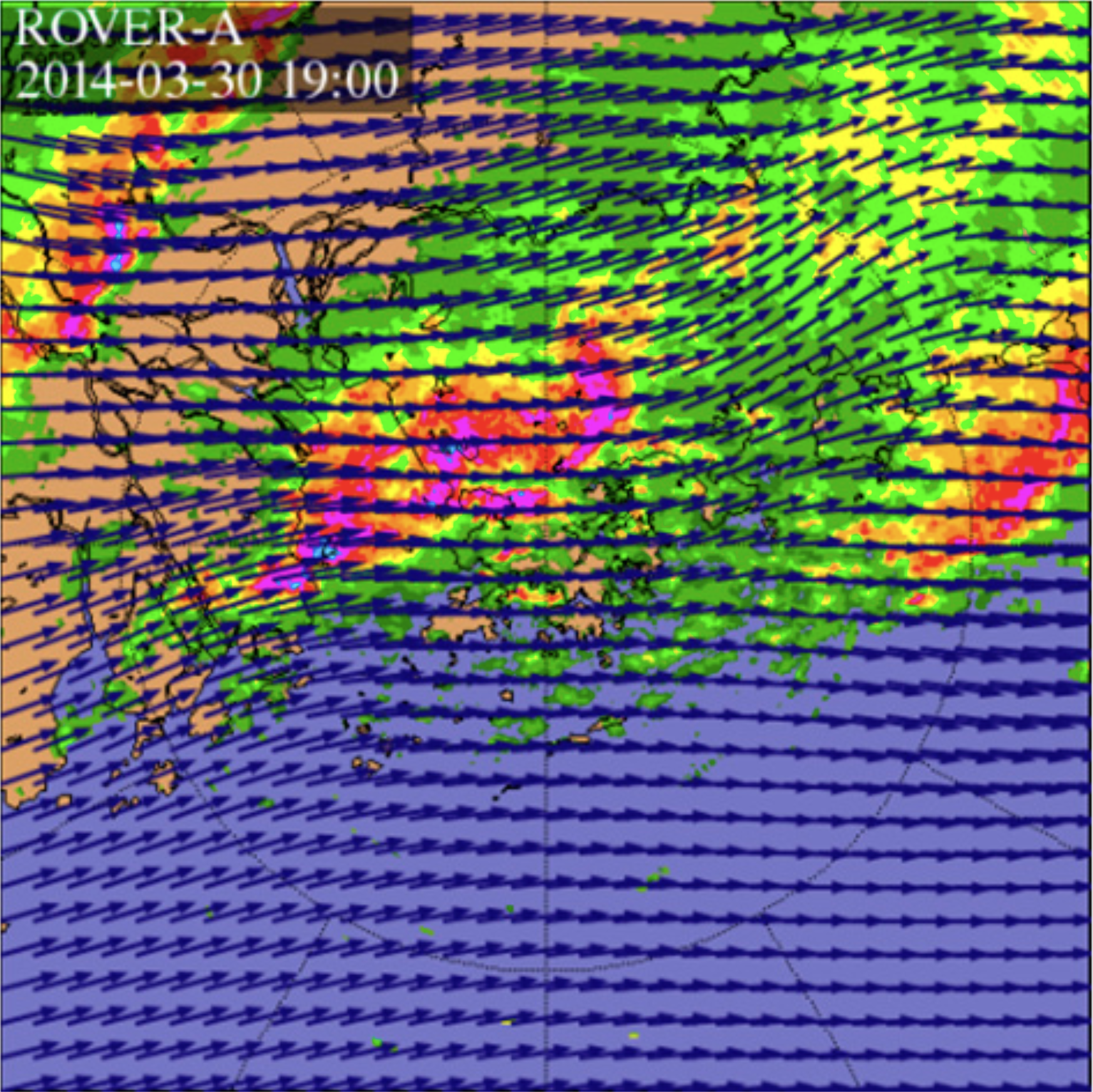
“eRAIN” uses real-time quantitative precipitation forecast (QPF) data and water level at the flood-prone locations as system input which are updated at 6-minute intervals. It can predict the time and rise of water level within the catchment of Tsui Ping River. Also, “eRAIN” models the relationship between rainfall distribution and water level with a custom designed Deep Neural Network (DNN) to minimize the difference between the predicted and actual water levels. The DNN will adaptively retrain to improve its accuracy with the accumulated data over time.
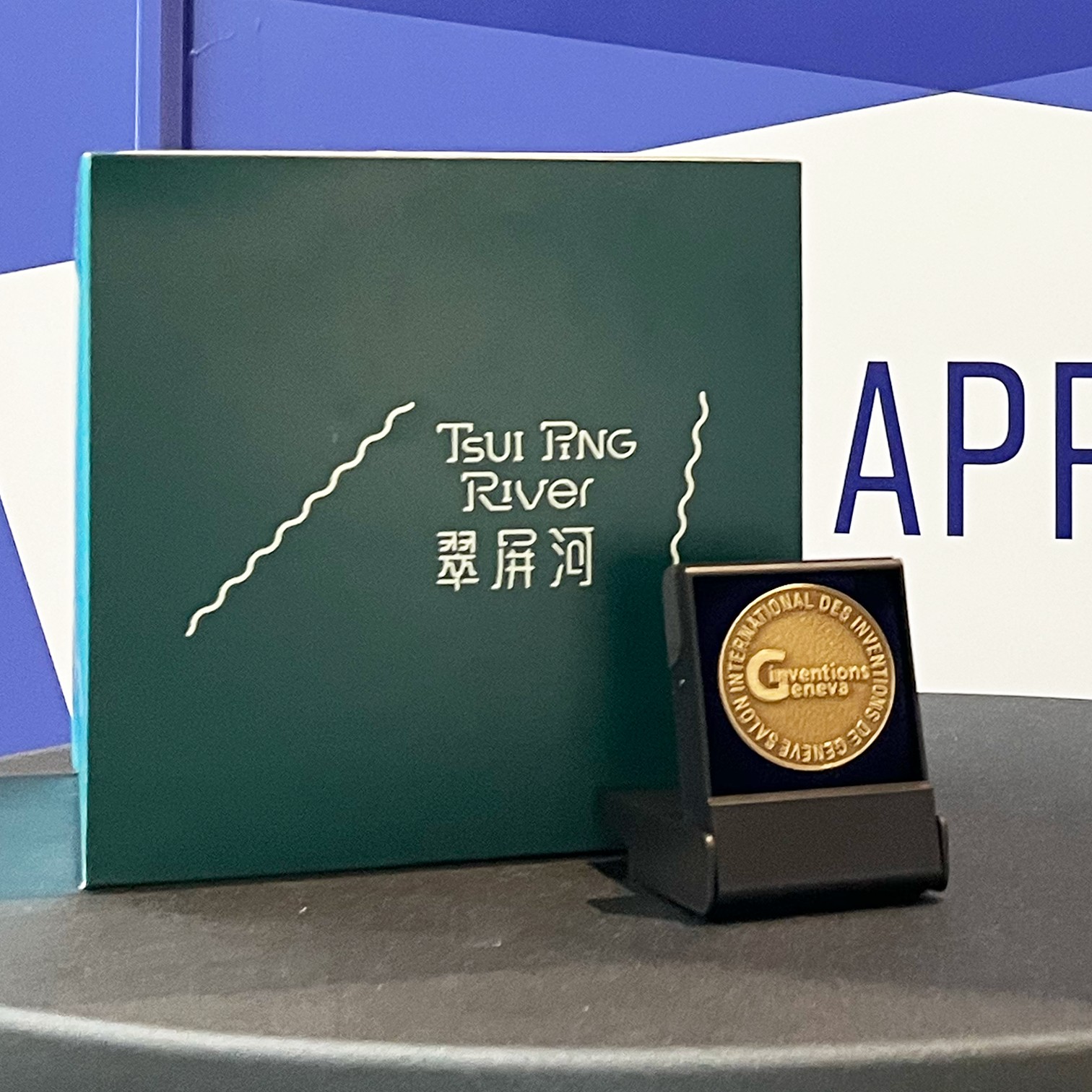
"eRAIN" helped ensure site safety and improve the site productivity of the project. This innovation received the "Bronze" medal award at the 48th International Exhibition of Inventions of Geneva in 2023.
2. Temporary Tidal Gate
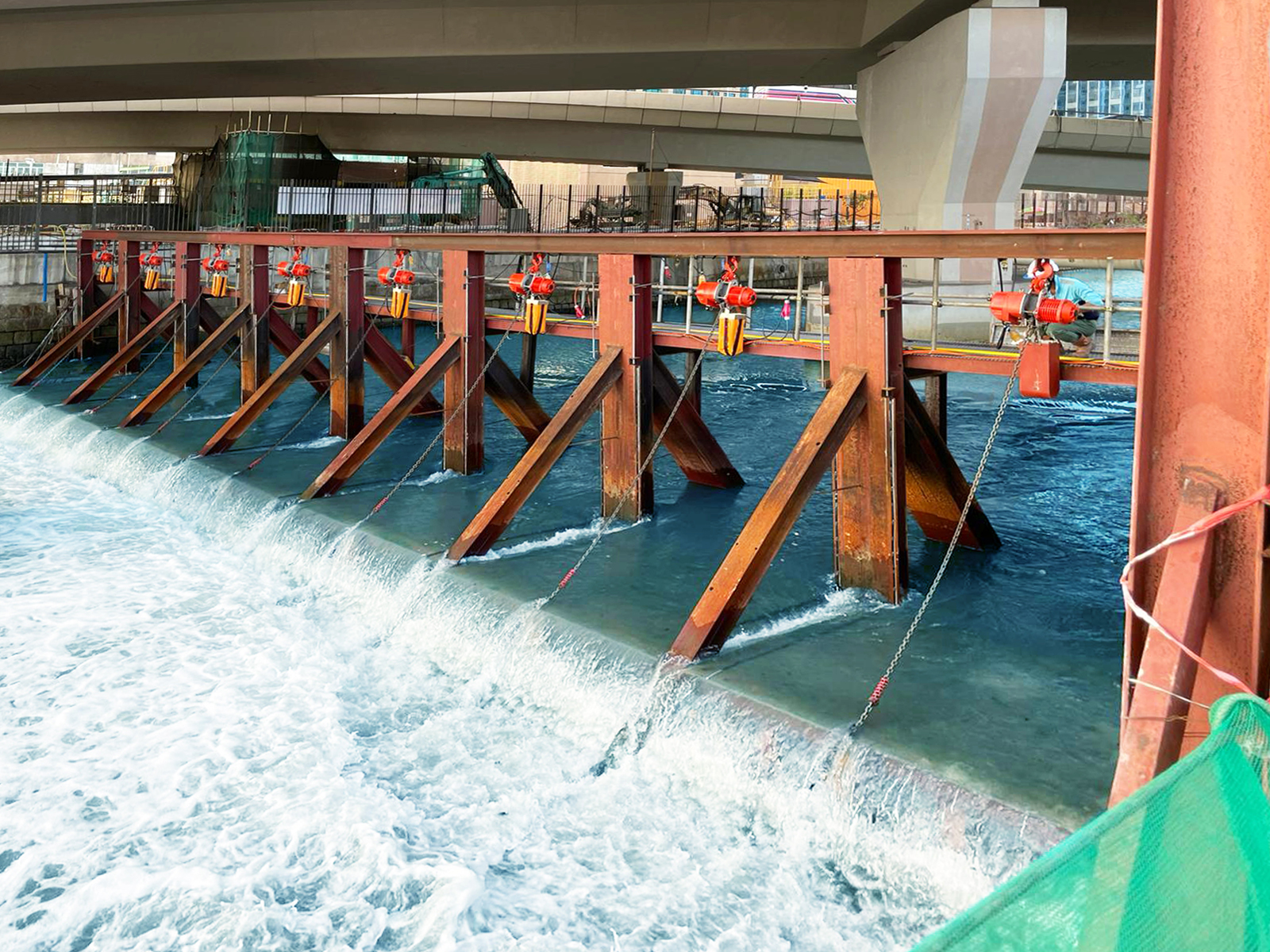
The downstream of Tsui Ping River is connected to the Victoria Habour. During high tides, seawater could flow up towards the upstream and cause impact to the progress of construction works. To maximize the working window within the nullah, the project adopted a temporary tidal gate at the river estuary that prevents the backflow of the tidal waters. Prior to the onset of rainstorm and through referring to the alert given by eRAIN, the tidal gate would be opened manually in advance to resume the normal drainage capacity of the nullah. Through this installation, the project team avoided substantial energy consumption due to pumping of seawater and maximized the working window within the live nullah.
3. "Slip-form" Formwork
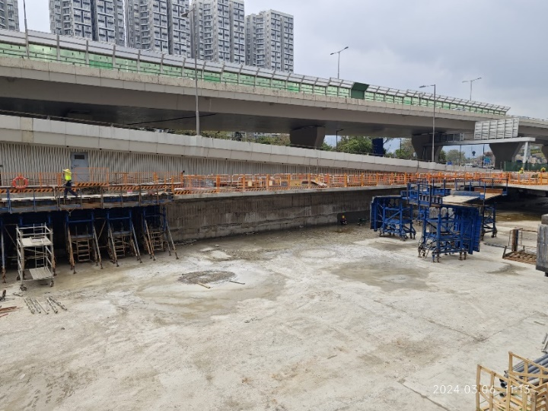
To expedite the progress of the critical nullah reconstruction works, the project adopted reusable "slip-form" formwork. This not only shortened the work cycle of concreting works to alleviate the impact of inclement weathers, but also reduced material wastage.
4. Modular Integrated Construction Method
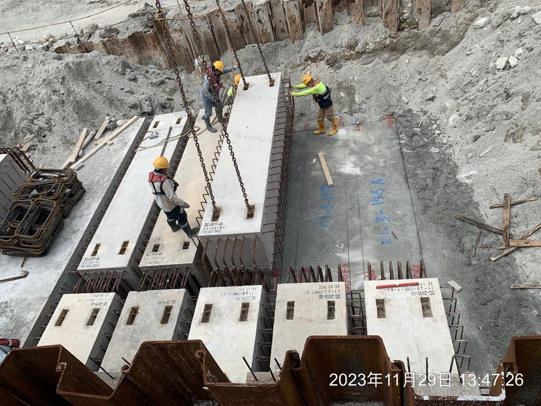
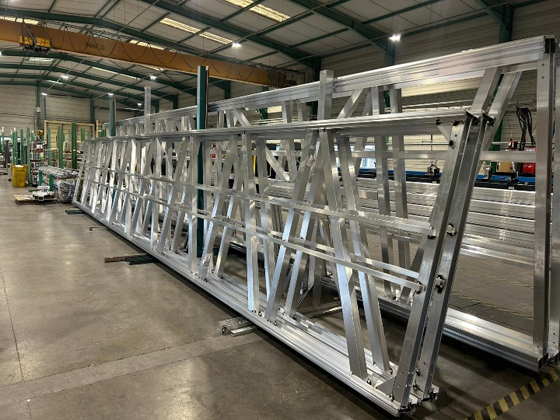
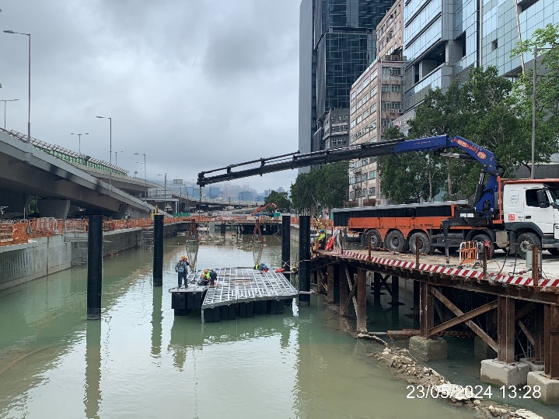
As the majority of the nullah construction works could only be carried out during dry seasons, the construction programme was very tight. To enhance the site productivity, Design for Manufacturing & Assembly (DfMA) approach was adopted to prefabricate critical nullah components including the smart water gate, pontoon, nullah bed tie-beams for on-site assembly. The DfMA approach helped minimize the impact of inclement weathers and maximized the working window within the nullah. For example, the on-site assembly of the pontoon was even conducted in wet seasons.