
What's New
DSD shared the Integrated Flood Management Strategy at the Climate Adaptation and Resilience Conference 2026
8 October 2026
Mr Ringo MOK Wing-cheong, Director of Drainage Services, attended the Climate Adaptation and Resilience Conference 2026 (CARE2026) on 8 October 2026 and at the "Building Climate-Resilient Infrastructure in Hong Kong" session, he shared Hong Kong's experiences in tackling extreme weather and enhancing flood resilience with both local and international participants. Mr MOK also introduced the Drainage Services Department (DSD)'s Integrated Flood Management Strategy, which rests on three pillars: "Adaptation, Resilience, and Management (ARM)". He highlighted how the DSD had mitigated the impact of extreme weather on the community by continuously improving drainage infrastructure, implementing flood resilience measures, and utilising innovative technology to strengthen flood forecasting, monitoring, and emergency preparedness. He also emphasised that building a flood resilience city could not solely rely on the government; but should depend heavily on efforts of all sectors of the society—including property owners, facility managers, merchants, and residents—to prepare early and take collective action to withstand becoming increasingly serious climate risks together.
CARE2026 organised by the Hong Kong University of Science and Technology was held from 8 to 10 October, bringing together researchers, government officials, industry stakeholders and community representatives to drive climate adaptation and urban resilience.
Additionally, Chief Engineer of the Land Drainage Division, Ms Esther YUEN Ka-wai, and Senior Engineer of the Drainage Projects Division, Mr Antony WAN Nam-fung, participated in the discussion sessions on 9 and 10 October, respectively.
Ms YUEN shared about utilising the Integrated Flood Management Strategy and innovative technology to reduce the cascading impacts of flooding on community and infrastructure systems, and explored how to strengthen the collaboration across departments and stakeholders in emergency conditions with the aim of reducing the risks posed by disasters to the community.
Mr WAN shared the Revitalization of Tsui Ping River project as an example, which had connected the community with a riverside public space with combined functions of flood prevention, ecology, and recreation through integrating greening and ecological conservation elements, adding cross-river walkways and landscaped decks while enhancing the river capacity.
The DSD, through this event, shared Hong Kong's experiences and strategies in tackling climate change and flood management with local and international participants, contributing strength to jointly constructing a more resilient city.
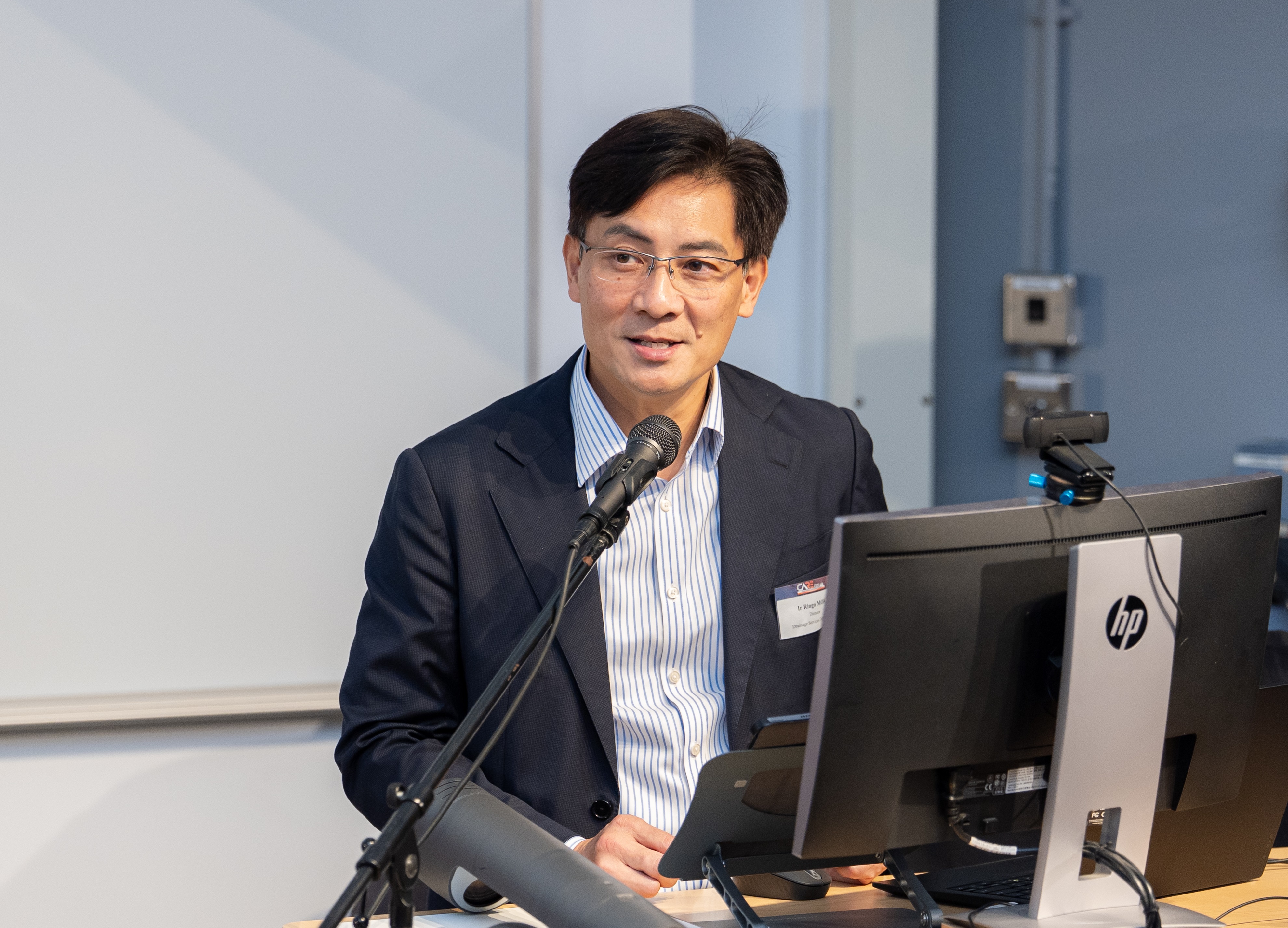
Mr MOK shared the experiences in tackling extreme weather at the "Building Climate-Resilient Infrastructure in Hong Kong" session
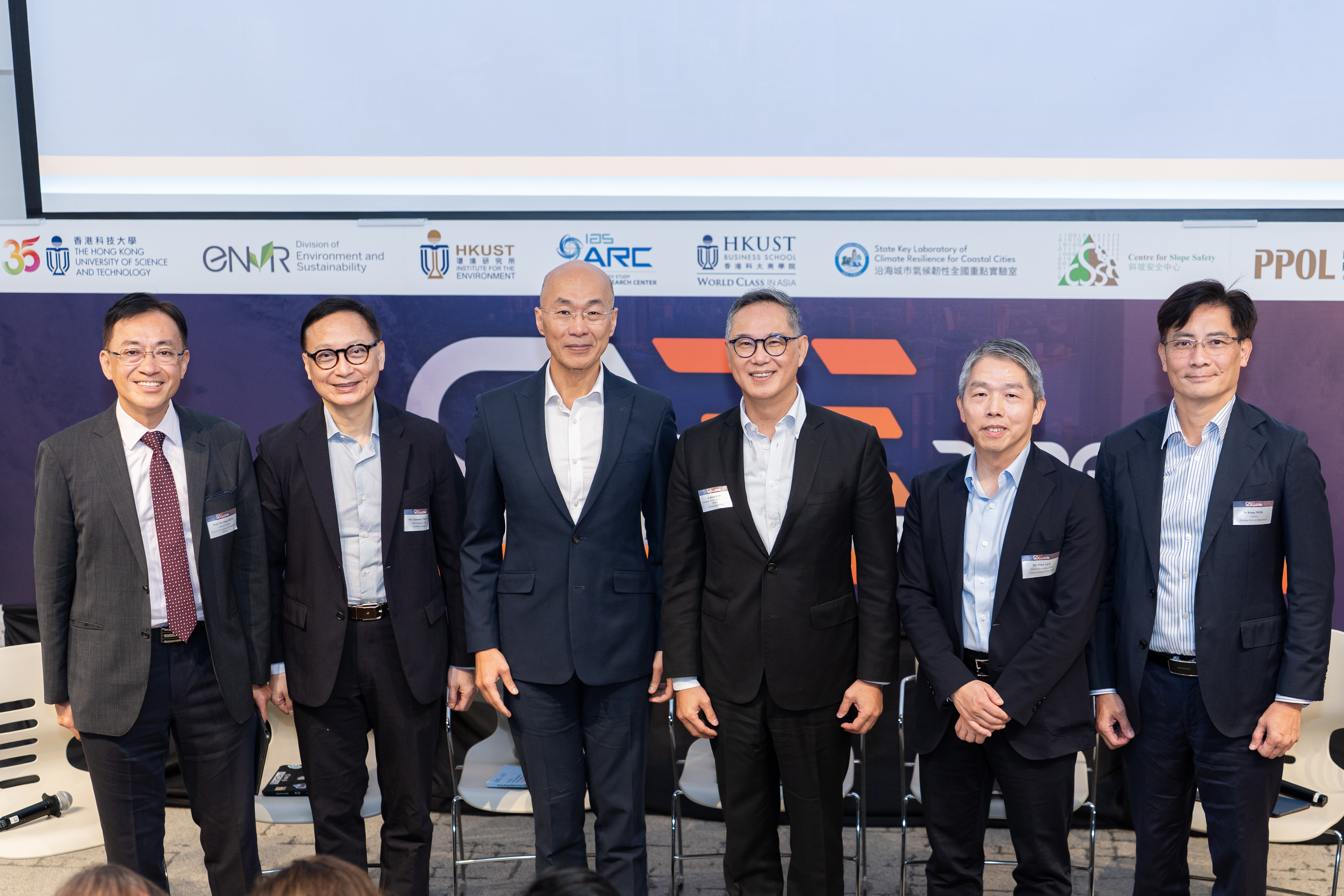
Mr Ricky LAU Chun-kit (third from right), Permanent Secretary for Development (Works), Mr Michael FONG Hok-shing (third from left), Director of Civil Engineering and Development and Mr MOK (first from right) participated in a panel discussion to share experiences of building climate-resilient infrastructure in Hong Kong
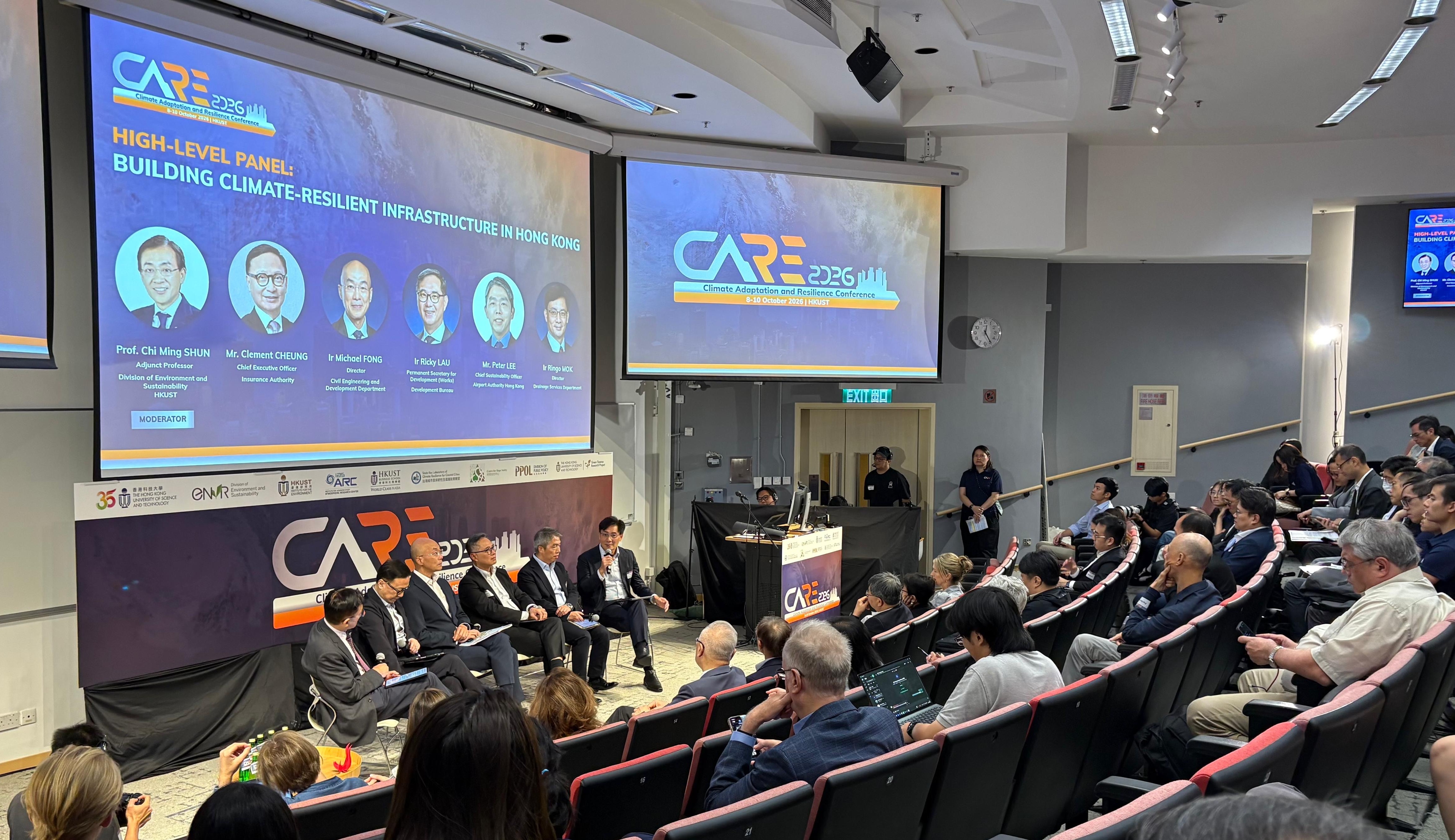
Mr MOK (first from right) participated in a panel discussion to examine how critical infrastructure can withstand growing climate risks
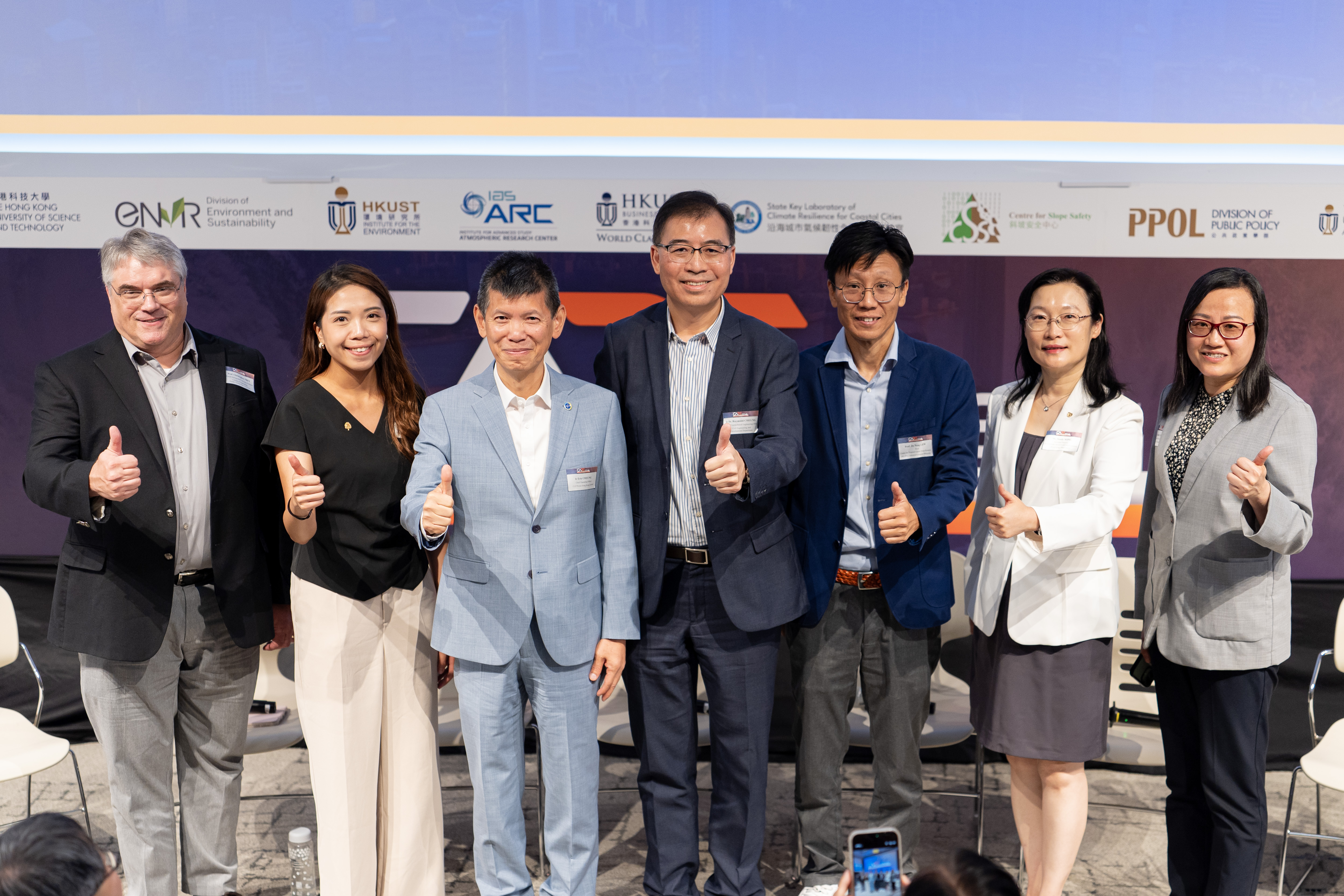
Ms YUEN (first from right) in a panel discussion, explored how to strengthen the emergency collaboration across departments and stakeholders
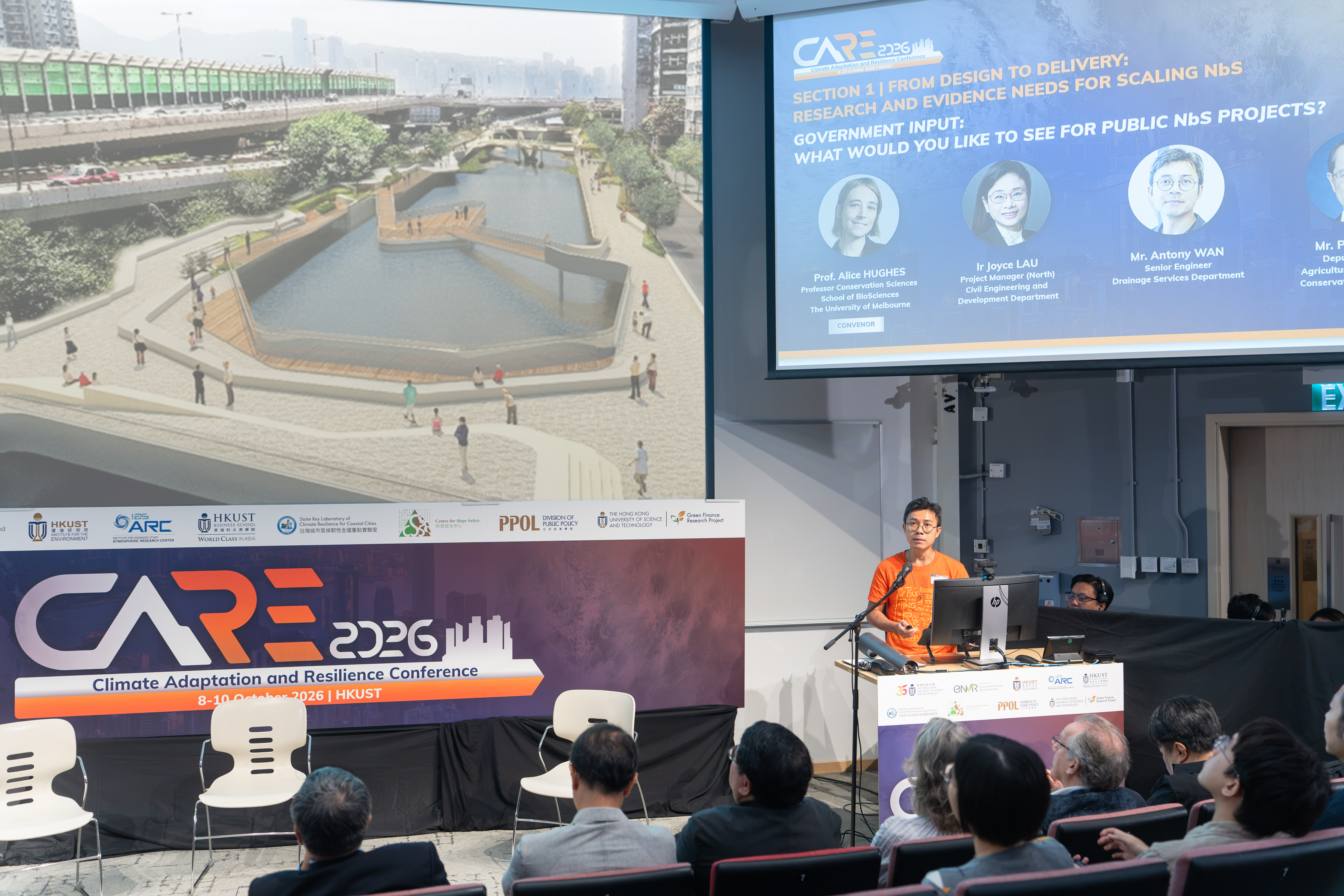
Mr WAN shared the successful experience from Revitalization of Tsui Ping River project